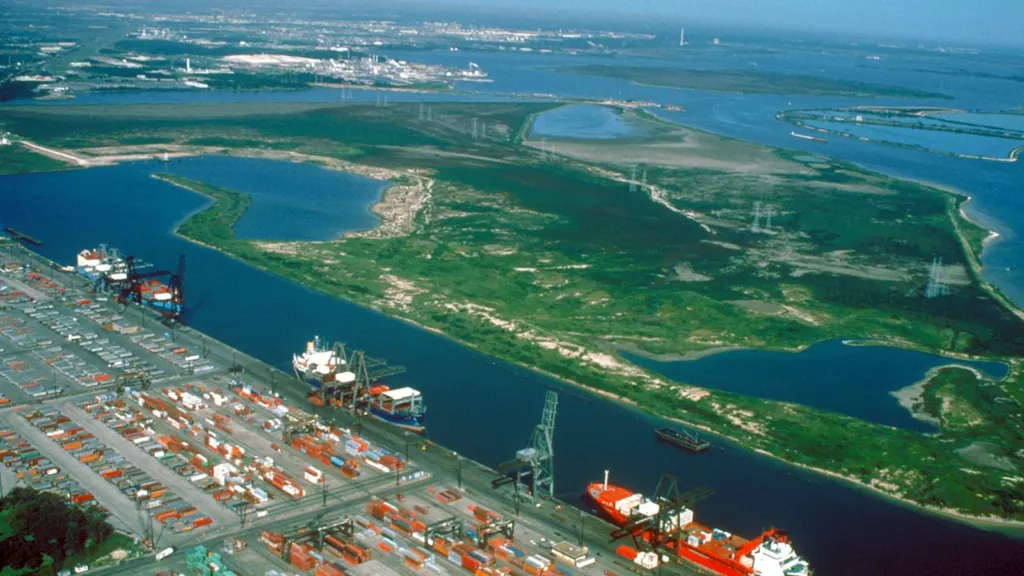
Barbours Cut and the container boxes that move through Port Houston
Photo: U.S. Army Corps of Engineers, photographer not specified or , public domain, via Wikimedia Commons.
The Port of Houston is not one place. It is a long string of public and private terminals along the Houston Ship Channel, from refineries and chemical plants to grain elevators and bulk docks. The public port authority, Port Houston, owns and runs the main general cargo and container terminals.
Barbours Cut, near Morgan’s Point at the mouth of the channel, opened in 1977 as one of the first container terminals on the Gulf Coast. The newer Bayport terminal, south of Pasadena, opened in 2007. Together they handle the large majority of containers moving through the Gulf ports.
What moves through
Resin and plastic pellets from Gulf Coast chemical plants are among the biggest exports in containers, along with machinery and food products. Imports include consumer goods, building materials and auto parts, many headed to warehouses in Baytown, Pasadena and along the Grand Parkway. The surge in e-commerce and population growth in Texas has driven big gains in container volume over the last decade.
Growing pains
Larger ships need deeper and wider channels, which is why the port and the Corps of Engineers are widening the channel. Barbours Cut has had its wharves rebuilt and new cranes installed to handle bigger vessels.
Truck traffic on Highway 146 and the roads around the terminals has become a constant issue for nearby cities such as La Porte and Morgan’s Point. Port Houston has worked with the state on road projects and has pushed to move more cargo by rail.
For the region, the container trade supports trucking, warehousing and logistics jobs that reach well beyond the waterfront.
More in Business

ODL’s Impact Rated Fiberglass Entry System with Keystone Frame Technology Earns 2026 Best of Products Editors’ Pick
 By Yvette Okafor ·
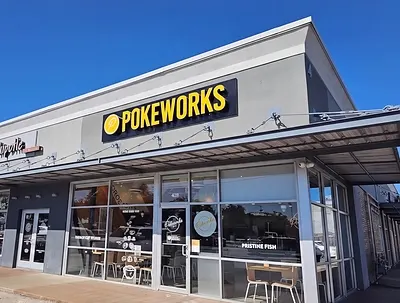
Pokeworks Drives Texas Expansion Through Flexible Real Estate Strategy
By Yvette Okafor ·
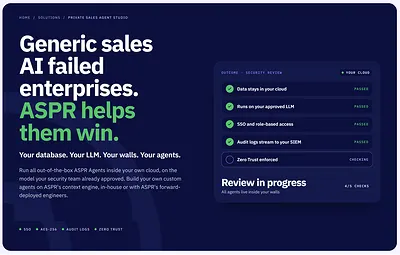

ASPR AI Launches Private Sales Agent Studio With Forward Deployed Engineers and 50+ Language Meeting Notetakers
By Yvette Okafor ·