Houston’s Nigerian community: a guide to culture, food and organizations
Graphic: The City Reporters
Houston is home to one of the largest Nigerian communities in the United States, part of a broader African immigrant population that has grown steadily in the region for decades. Many families first came for university study and jobs in the energy and medical industries, and today Nigerian Houstonians work across health care, engineering, business, education and the arts.
Where the community is centered
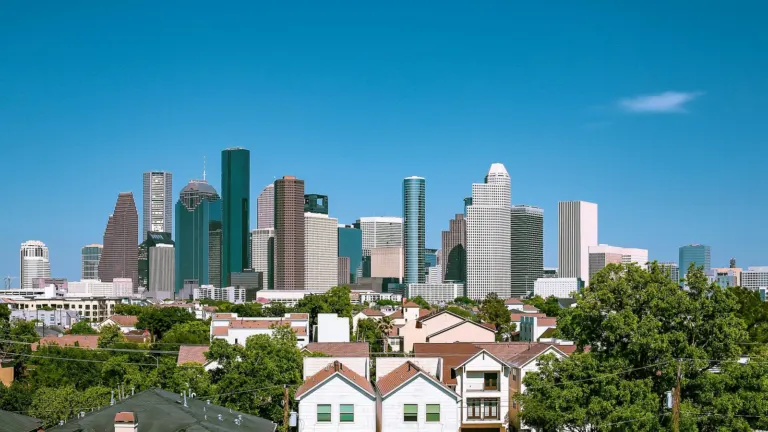
Southwest Houston, including Alief and the areas around Bissonnet Street and Highway 6, is widely known for Nigerian and other West African restaurants, groceries, churches and businesses. Communities have also grown in Fort Bend County suburbs such as Missouri City and Sugar Land, and in north and northwest Harris County.
Food
Jollof rice, suya, pepper soup, egusi and pounded yam are staples at West African restaurants across southwest Houston. Many grocery stores stock ingredients such as palm oil, garri, plantains and dried fish for home cooks.
Faith and community organizations
Churches and mosques serve as community hubs, alongside hometown and state associations, professional groups and student organizations at local universities. These groups organize cultural events, scholarships and support for new arrivals.
Consular services
Nigeria provides consular services in the United States through its embassy in Washington, D.C., and consulates general in New York and Atlanta. Check the mission websites to confirm which office serves Texas residents, and watch community organizations for announcements of mobile passport and consular visits.
Tell us about your community
We plan to profile people, businesses and organizations in Houston’s international communities. Send us your suggestions.
Source material: U.S. Census Bureau, American Community Survey; Embassy of Nigeria, Washington, D.C.
Add The City Reporters as a preferred source on Google (opens in a new tab)
More in Diaspora & Global
Houston AfriFEST brings West African food, music and vendors to The KBC on Nov. 7
 By Dana Kowalczyk ·
INEC’s voter register is online. What Houston Nigerians should know before 2027
By Dana Kowalczyk ·
Nigeria confirms an Ebola case in Abuja: what Houston’s Nigerian community should know
By Dana Kowalczyk ·