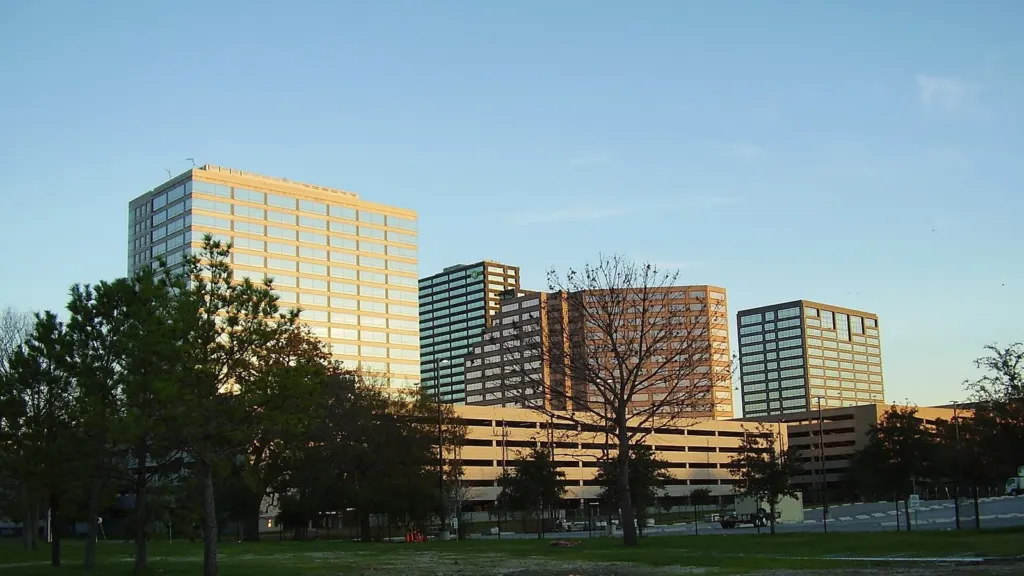
The Energy Corridor, where Houston’s oil companies set up west of town
Photo: WhisperToMe, public domain, via Wikimedia Commons.
West Houston along Interstate 10, between the Addicks and Barker reservoirs, began filling with energy company offices in the 1970s and 1980s. Shell, Conoco and others built campuses there, and the area came to be called the Energy Corridor.
The Energy Corridor District, a management district created in 2001, now covers several square miles and includes the American headquarters of BP, the headquarters of ConocoPhillips and offices for many oilfield service companies, engineering firms and consultants.
What the corridor does
Much of the work done here is engineering and project management for oil, gas and petrochemical projects around the world. Major companies employ thousands of engineers, geologists and project managers, and the district’s contractors and suppliers add more.
Flood risk
The corridor sits next to the two reservoirs built in the 1940s to protect downtown Houston from floods. During Hurricane Harvey in 2017, the Army Corps of Engineers released water from the reservoirs, flooding thousands of homes and some businesses downstream, and water also backed up into neighborhoods upstream. Lawsuits followed, and the risk has influenced development decisions since.
The office market
The energy industry’s downturns in 2015 and 2020 hit the Energy Corridor’s office market, with high vacancy rates. Companies have consolidated offices, and some have moved closer to the city center.
The district has invested in parks, trails and transit to attract new businesses, including companies in renewable energy and carbon capture. The goal is to keep the corridor relevant as energy changes.
More in Business

Southern Home Services Expands Houston Presence with Acquisition of Vanderford Air and Plumbing
 By Yvette Okafor ·

ODL’s Impact Rated Fiberglass Entry System with Keystone Frame Technology Earns 2026 Best of Products Editors’ Pick
By Yvette Okafor ·
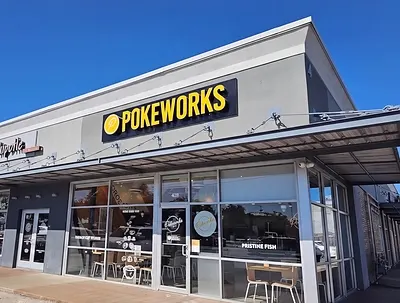

Pokeworks Drives Texas Expansion Through Flexible Real Estate Strategy
By Yvette Okafor ·