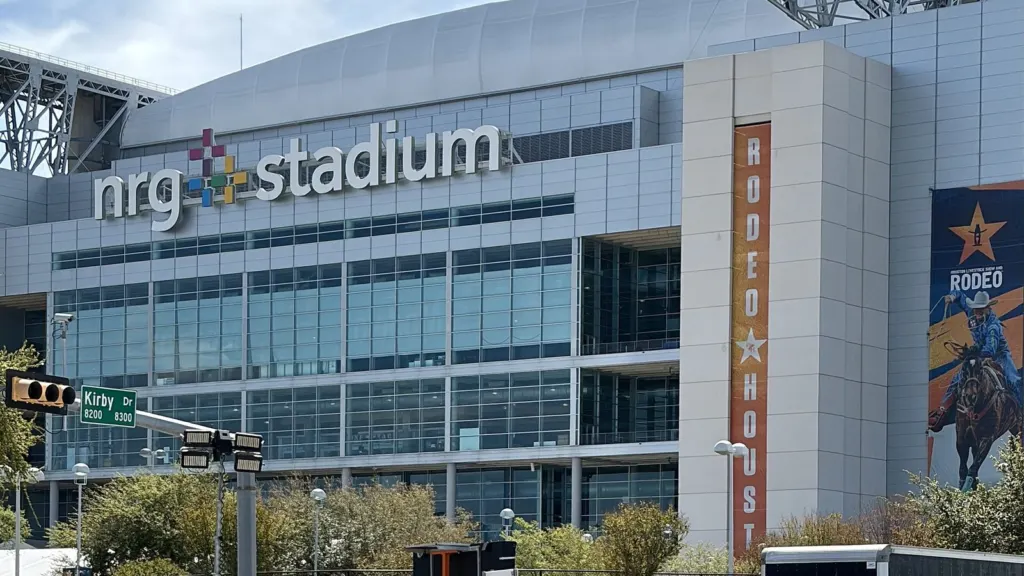
The Houston Rodeo is the city’s biggest annual event, and a scholarship machine
Photo: Alexis Doine, public domain, via Wikimedia Commons.
The event began in 1932 as the Houston Fat Stock Show and Livestock Exposition, a way for ranchers to show and sell cattle. A rodeo was added in the late 1930s, and the show moved to the Astrodome in 1966. Since 2003 it has filled NRG Stadium and the grounds around it.
Each year the show runs for about three weeks in late February and March. Nightly rodeos are followed by concerts on a rotating stage in the stadium, with headliners in country, pop, Latin and hip-hop.
The scholarships
The rodeo is a nonprofit, and its main mission is education. It has given hundreds of millions of dollars in scholarships, grants and other support to Texas students since the 1950s. Much of the money comes from junior livestock auctions, where businesses and donors pay high prices for animals raised by students.
Volunteers
The show depends on tens of thousands of volunteers organized in committees, many of whom work at the event every year. Volunteering is part of the social calendar in Houston.
The economic impact
The show draws millions of visitors and brings money to hotels, restaurants and Western wear stores. Trail riders come from across Texas and ride into Houston before the opening parade. The World’s Championship Bar-B-Que Contest, held at the start of the event, is a huge gathering.
The rodeo’s economic impact is one of the largest of any annual event in the city, competing with major sports championships.
More in Business
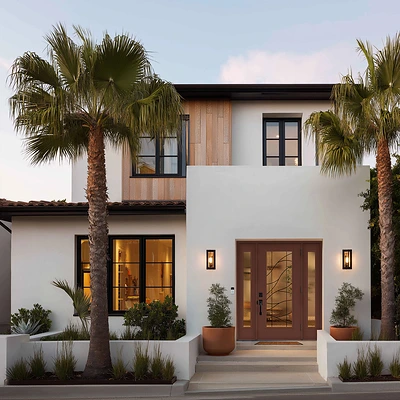
ODL’s Impact Rated Fiberglass Entry System with Keystone Frame Technology Earns 2026 Best of Products Editors’ Pick
 By Yvette Okafor ·
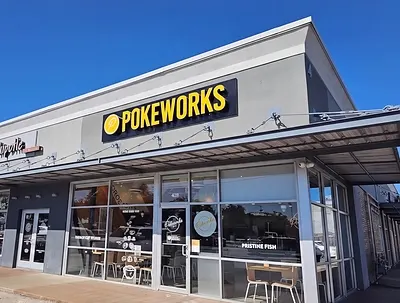
Pokeworks Drives Texas Expansion Through Flexible Real Estate Strategy
By Yvette Okafor ·


ASPR AI Launches Private Sales Agent Studio With Forward Deployed Engineers and 50+ Language Meeting Notetakers
By Yvette Okafor ·